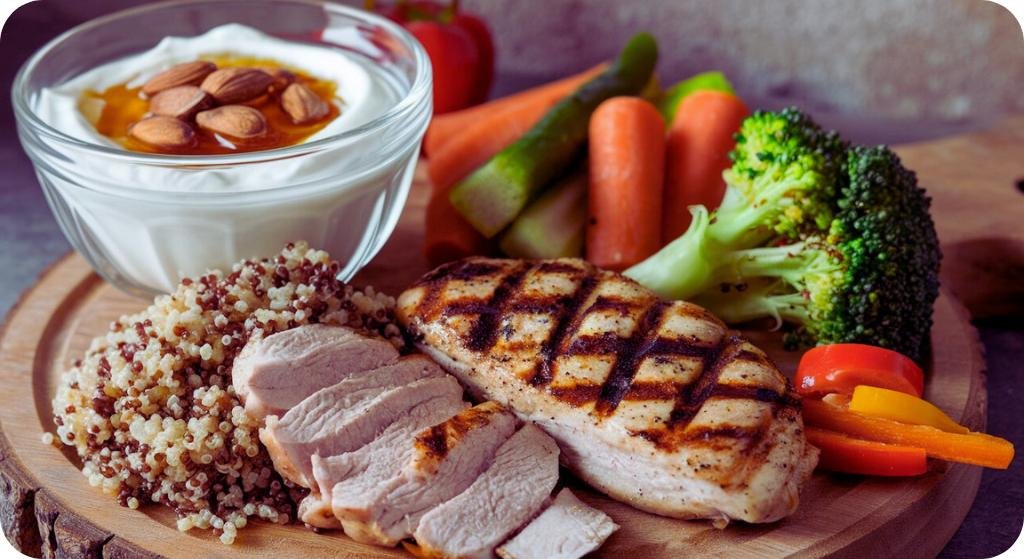
Starting a fitness program could feel like mountain climbing. Your success is much influenced by nutrition. Your food immediately affects your muscles, energy, and general wellness.
Every mouthful offers an opportunity to feed your body’s potential.
The Nutritional Blueprint: Realizing Food as Your Body’s Ultimate Performance Engine
Food meant for fitness goes beyond mere calories. It’s fuel for your body’s performance. Consider fitness food as the best support system your body needs.
The proper nutrients might change your objectives for fitness. Your plate is a powerful weapon for change.
Deciphering the Molecular Magic: How Nutrients Power Your Body’s Complex Machinery
Your body needs specific nutrients to function correctly. Proteins restore muscles. Carbohydrates provide energy. Fats support hormone production.
Each nutrient plays a distinct role in your fitness food journey. Understanding these functions helps you make smarter fitness food choices.
Nutritional Foundations: Architecting Your Body’s Performance through Strategic Eating
Protein: Your Muscle’s Molecular Construction Crew and Repair Mechanism
Proteins are the building blocks of muscle. They assist heal tissue after exercises. More than merely muscle builders, proteins support:
Top On Sale Product Recommendations!
Inflatable Character Fitness Man Inflatable Muscle Man For Advertising/Outdoor Event Made In China
Price Now: USD 619.50
🔗Click & Buy: https://s.click.aliexpress.com/e/_c3O7IgtF
– Enzyme production
– Hormone regulation
– Immune system function
– Cellular repair
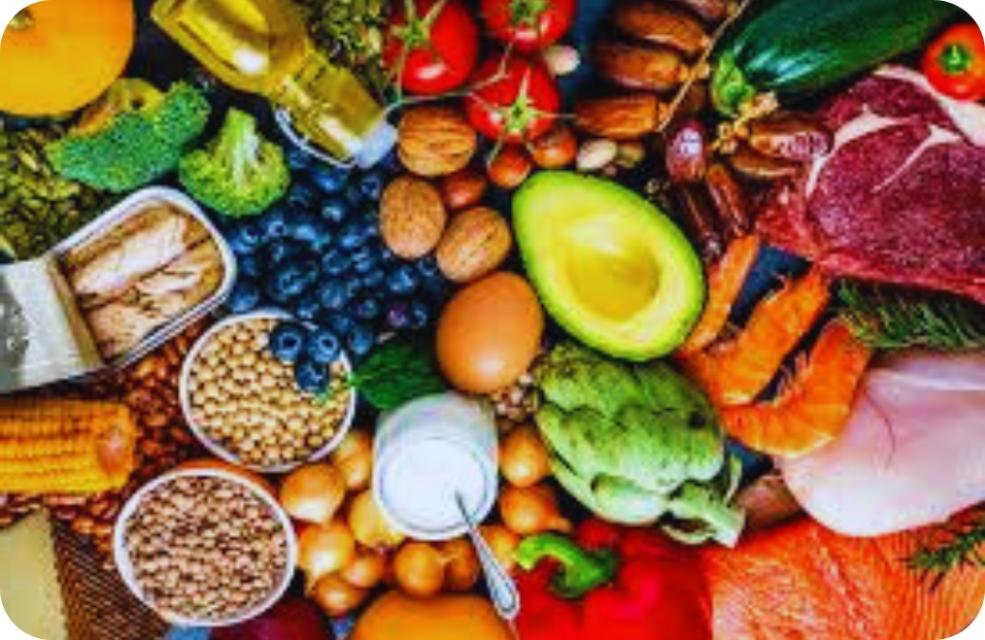
Protein sources to consider as fitness food:
– Lean meats
– Fish
– Eggs
– Dairy products
– Legumes
– Plant-based proteins
– Protein powders
Calculating Your Protein Needs
Not all bodies need the same amount. Use these guidelines:
– Sedentary people: 0.8g per kilogram of body weight
– Moderate exercise: 1.2-1.6g per kilogram
– Intense training: 1.6-2.2g per kilogram
– Consult a dietician for specific advice
Carbohydrates: The High-Octane Fuel Powering Your Body’s Performance Engine
Carbohydrates are your body’s principal energy source. They come in two basic types:
– Simple carbs (rapid energy)
– Complex carbohydrates (sustained energy)
Complex carbohydrate champions:
– Sweet potatoes
– Brown rice
– Quinoa
– Oatmeal
– Whole grain bread
– Fruits and Vegetables
Carbohydrate Timing for Optimal Performance
– Eat complex carbs 2-3 hours before exercises
– Consume fast carbs during long training sessions
– Replenish with carbs after severe workout
Healthy Fats: The Misunderstood Nutritional Superhero Driving Internal Performance
Fats are needed for:
– Hormone production
– Nutrient absorption
– Brain function
– Long-lasting energy
– Protecting internal organs
Healthy fat sources for fitness food:
– Avocados
– Nuts and seeds
– Olive oil

Top On Sale Product Recommendations!
AA91 Electric Olive Oil Sprayer for Cooking, 8.5oz/250ml Adjustable Misting Range Olive Oil Dispenser Bottle with Led Light
Price Now: USD 12.15 (Original price: USD 19.28, 37% off)
🔗Click & Buy: https://s.click.aliexpress.com/e/_c436SmFX
– Fatty fish
– Coconut
– Nut butters
Strategic Nutrition Planning: Your Personalized Roadmap to Dietary Success
Meal Preparation Mastery: Turning Your Kitchen into a Performance Optimization Center
Successful meal prep strategies:
– Plan weekly menus
– Shop with a list
– Use batch cooking techniques
– Invest in appropriate storage containers
– Prepare fitness food in advance
Meal Prep Time-Saving Techniques
– Cook proteins in bulk
– Chop vegetables for numerous meals
– Use slow cookers and instant pots
• Freeze portioned meals
– Create mix-and-match fitness food components
Portion Control: Precision Engineering Your Nutritional Intake
Portion control techniques:
– Use smaller plates
– Learn hand measurement tricks
– Track your intake
– Eat slowly
– Listen to hunger signals
Portion Size Guide
– Protein: Palm-sized chunk
– Carbs: Fist-sized chunk
– Vegetables: Two fist-sized portions
– Fats: Thumb-sized portion
Nutritional Timing: Synchronizing Your Eating Strategy with Physical Performance
Pre-Workout Nutrition: Priming Your Body’s Performance Engine
Best pre-workout meal options:
– Banana with almond butter
– Oatmeal with berries

Top On Sale Product Recommendations!
Latest 4PCS Overnight Oatmeal Cups Overnight Oats Containers With Spoons Airtight Oatmeal With Measurement Marks
Price Now: USD 29.39 (Original price: USD 62.54, 53% off)
🔗Click & Buy: https://s.click.aliexpress.com/e/_c33g4pHR
– Greek yogurt with granola
– Whole grain toast with eggs
– Smoothie with protein powder
Post-Workout Recovery Nutrition
Top recovery meal for fitness food choices:
– Protein shake
– Chocolate milk
– Chicken and sweet potato
– Eggs and vegetables
– Salmon with quinoa
Hydration Intelligence: Water as Your Body’s Critical Performance Fluid
Hydration benefits:
– Regulates body temperature
– Supports metabolism
– Aids fitness food transportation
– Improves workout performance
– Supports recuperation
Hydration Strategies for Peak Performance
– Drink water throughout the day – Monitor urine color
– Consume electrolyte-rich liquids
– Hydrate before, during, and after workouts
Top On Sale Product Recommendations!
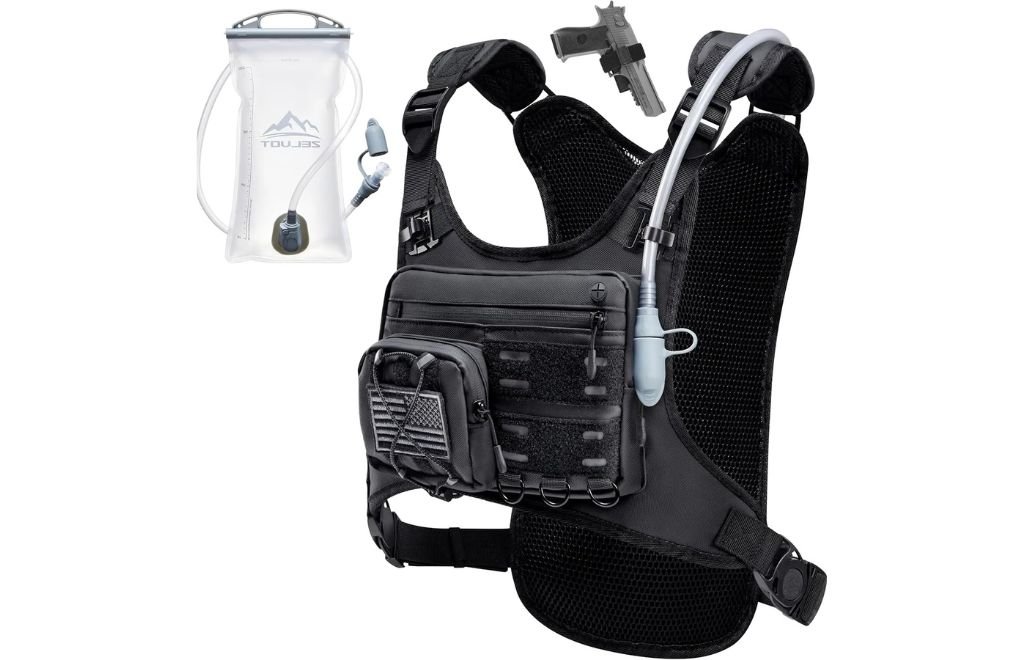
Lightweight Hydration Vest with 2L Water Bladder, Reflective Gear Holder for Marathon Running
Price Now: USD 44.80 (Original price: USD 128.01, 65% off)
🔗Click & Buy: https://s.click.aliexpress.com/e/_c2zUH9vP
Nutrition Danger Zones: Identifying Performance-Blocking Habits
Common nutritional mistakes:
– Skipping meals
– Eating processed foods
– Consuming sugary drinks
– Ignoring portion sizes
– Following severe diets
Supplement Science: Tactical Nutritional Support
Potentially beneficial supplements:
– Protein powder
– Creatine – Multivitamins – Omega-3 fatty acids
– Vitamin D – Electrolyte supplements
Conclusion of fitness food: Your Nutrition Transformation Journey
Fitness food or nutrition is a lifelong learning process. Every meal is an opportunity to feed your body’s potential. Progress comes from regular, intentional choices.
Your body is an extraordinary machine – treat it with respect.
FAQs
How many calories do I need?
Calorie needs vary. Use online calculators. Consider age, weight, activity level.
Can I consume carbs and lose weight?
Yes! Choose complex carbohydrates. Control parts. Balance with proteins.
How often should I eat?
Most people do well with 3 main meals. Add 1-2 nutritious snacks.
Are cheat meals okay?
A: Moderation is crucial. One meal won’t ruin progress. Enjoy sometimes.
What if I’m vegetarian?
Plenty of protein options available. Try tofu, lentils, beans, tempeh.
How quickly will I see results?
Everyone’s different. Typically 4-12 weeks for significant changes.
Should I count macros?
Helpful for some. Start with balanced eating. Track if needed.
Can I grow muscle as a beginner?
Absolutely! Consistent training and good nutrition are crucial.
What should I consume for muscle recovery?
Protein and carbohydrates. Try chicken, rice, eggs, smoothies.
How do I handle dining out?
Choose grilled choices. Ask for dressings on side. Control parts.
Are protein shakes necessary?
Not mandatory. Helpful for convenience. Whole foods work too.
How much water should I drink?
About 8 glasses daily. More during workouts.
Can I eat fruits when losing weight?
Yes! Choose entire fruits. Control parts. Natural sugars are okay.
What are the greatest pre-workout foods?
Bananas, porridge, toast with eggs, smoothies.
How can I meal prep effectively?
Plan weekly. Buy containers. Cook in batches. Store properly.